

Meet, Sophia!
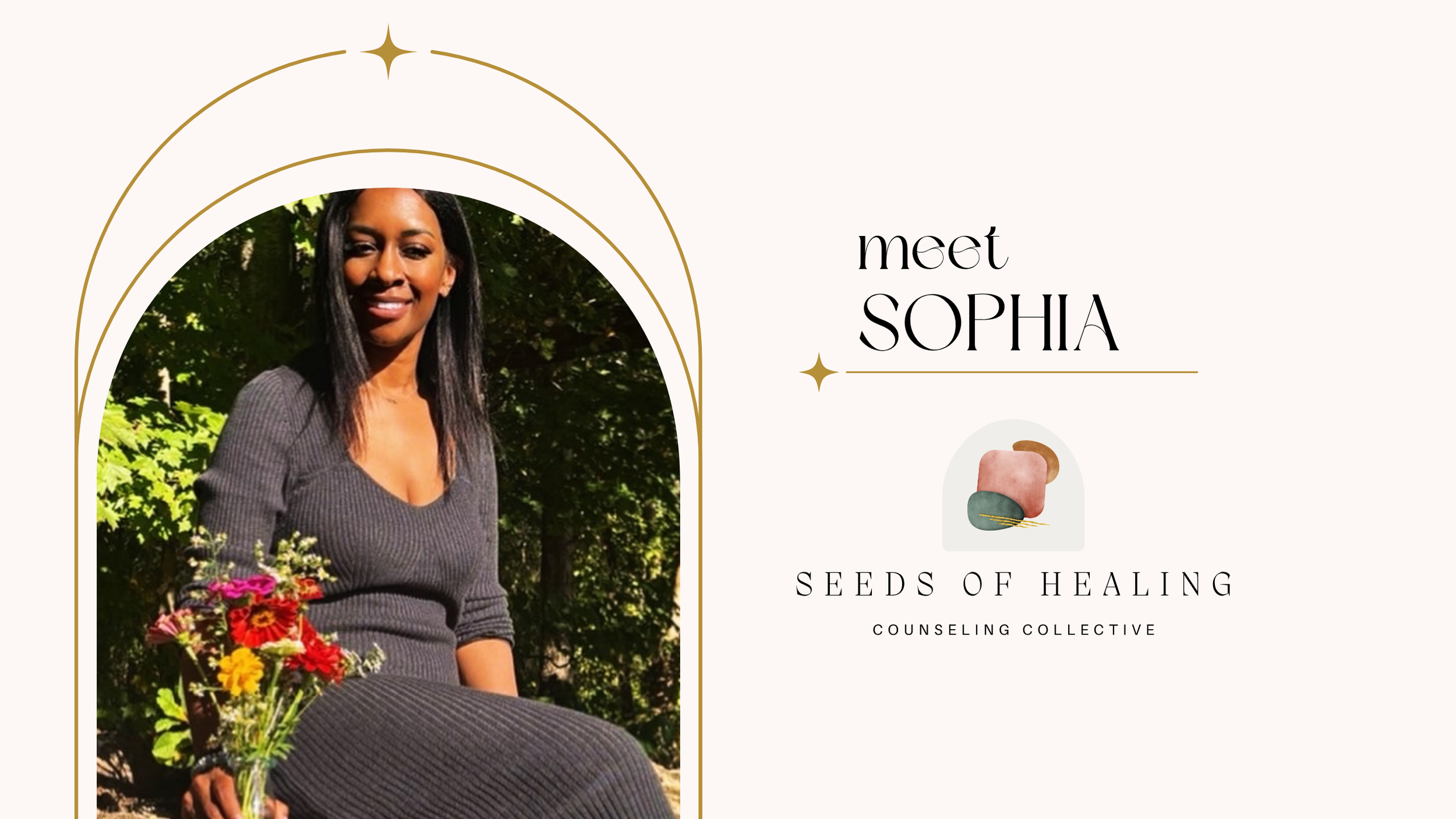
Sophia Fuller, LCSWA
Resident Mental Health Therapist
WAITLIST — North Carolina
Meet Sophia—A Compassionate Guide for Healing, Resilience & Growth
I believe that healing begins when people feel seen, heard, and supported. As a therapist and clinical social work professional, I am passionate about creating a safe, welcoming space where individuals can explore life's challenges, build resilience, and move toward lasting healing and growth.
Throughout my career, I've worn many hats—from therapist and clinical trainer to healthcare leader and operations professional. Each role has strengthened my ability to connect with people, lead with compassion, and advocate for quality, person-centered care. My experience includes providing individual and group therapy, developing treatment plans, collaborating with multidisciplinary teams, and connecting clients with resources that support their overall well-being.
I have had the privilege of working with individuals navigating anxiety, depression, trauma, life transitions, substance use, and other mental health challenges. My approach is grounded in empathy, cultural humility, and evidence-based practices, always honoring each person's unique story and goals. I believe therapy is a partnership, and my hope is that every client leaves feeling empowered, supported, and equipped with practical tools to thrive.
Beyond my professional roles, I proudly wear many hats in my personal life. I am a proud mother of three amazing children—one who is navigating life with autism, one who is currently serving on active military deployment, and one who is pursuing a college education. I am also a proud rheumatoid arthritis (RA) warrior and a lifelong learner who believes that growth never stops. These experiences have taught me resilience, patience, adaptability, and the importance of meeting people with compassion, grace, and understanding. They remind me every day that healing is not always linear, strength often looks different than we expect, and hope can be found even during life's most challenging seasons.
When I'm not working, I cherish spending quality time with my family and friends, supporting my community, and embracing opportunities to learn, laugh, and create meaningful memories. These experiences continue to shape who I am and inspire the authentic, compassionate care I strive to provide every day.
At the heart of everything I do is a simple belief: everyone deserves a space where they feel valued, understood, and empowered to heal. It is an honor to walk alongside others as they discover their strengths, overcome challenges, and create lives filled with hope, resilience, and purpose.
Q&A with Sophia
-
CBT
Mindfulness-Based
Trauma-Focused
Motivational Interviewing
Mindfulness-Based
-
I take an integrative, evidence-based approach tailored to each client’s needs. I commonly use Cognitive Behavioral Therapy (CBT) to help clients identify and shift unhelpful thought patterns and behaviors, particularly in the treatment of anxiety, depression, and stress-related concerns. I also incorporate mindfulness-based strategies to support grounding, emotional awareness, and regulation, especially when clients are feeling overwhelmed or disconnected from their present experience. These techniques are used in a practical, accessible way to help clients better manage distress in daily life.
In addition, I practice from a trauma-informed lens, meaning I prioritize safety, collaboration, choice, and pacing in all aspects of therapy. When appropriate, I may also draw from psychodynamic and attachment-based frameworks to explore how early relationships and life experiences shape current emotional responses, patterns in relationships, and core beliefs about self and others. Rather than relying on a single model, I integrate approaches in a way that best fits each client’s goals, preferences, and clinical presentation.
-
I tailor therapy through ongoing collaboration and responsiveness to each client’s individual needs. Early in treatment, I focus on understanding the client’s history, current stressors, strengths, coping strategies, and personal goals. I also pay attention to factors such as pacing, emotional tolerance, and readiness for deeper exploration. Some clients benefit from a more structured, skills-focused approach that emphasizes practical tools and symptom management. Others prefer a more exploratory process that focuses on insight, emotional processing, and understanding relational patterns. Many clients benefit from a combination of both, which may shift over time. I regularly check in with clients about how the work is feeling and adjust my approach accordingly. Therapy is not static; it evolves based on what is most supportive and effective for the client at any given stage.
-
Clients can expect a collaborative, supportive, and nonjudgmental space where they are encouraged to speak openly about their thoughts, emotions, and experiences.
A typical session may involve discussing current stressors, identifying emotional or cognitive patterns, exploring underlying themes, and connecting present experiences to broader life context. Depending on the client’s needs, sessions may also include coping skills, grounding strategies, communication tools, or reflective exploration of past experiences and relationships. Some sessions may feel more structured and focused on specific goals, while others may be more open-ended and exploratory. My goal is to balance emotional processing with practical support so clients leave sessions with both increased insight and tools they can apply in daily life.
-
I prioritize building a therapeutic relationship grounded in empathy, consistency, respect, and authenticity. I aim to create a space where clients feel heard, understood, and free from judgment. I recognize that trust develops over time and through experience, not immediately. For that reason, I pay close attention to pacing, emotional safety, and each client’s comfort level when discussing sensitive material. I do not push clients beyond what feels manageable, and I support them in having choice and control over the direction of sessions. I also invite ongoing feedback about the therapeutic process. If something does not feel helpful or comfortable, I encourage open discussion so we can adjust accordingly. This collaborative stance helps strengthen trust and ensures the client feels actively involved in their own care.
-
I focus on helping clients build awareness, practical coping tools, and a stronger sense of internal stability. This includes identifying patterns in thoughts, emotions, and behaviors, and developing strategies to respond to distress more effectively. A central part of empowerment involves helping clients recognize their existing strengths and resilience, even when those feel hard to access. I also support clients in developing healthier boundaries, improving communication, and making decisions that align more closely with their values and well-being. Over time, the goal is for clients to feel more confident in their ability to navigate emotional challenges independently, rather than relying solely on external support. Therapy becomes a space for developing skills and insight that extend beyond the therapy room.
-
I practice from a foundation of cultural humility, recognizing that each client’s identity, culture, and lived experience significantly shape how they understand and experience mental health. I strive to create an affirming and respectful space for clients across diverse identities, including race, ethnicity, gender identity, sexual orientation, religion, ability status, and socioeconomic background. I remain aware of systemic and structural factors—such as discrimination, oppression, and intergenerational trauma—that can impact emotional well-being. Rather than assuming expertise about a client’s lived experience, I approach each person with curiosity and openness, allowing them to define what is meaningful and relevant to their identity. I also remain mindful of power dynamics within the therapeutic relationship and work to create a space that feels collaborative and empowering.
-
I aim to be flexible and responsive to a wide range of client needs, including neurodiversity, trauma-related sensitivities, and differences in communication or cognitive processing. Accommodations may include adjusting the structure or pacing of sessions, offering more directive guidance when helpful, incorporating grounding techniques during emotionally intense work, or simplifying complex ideas into more accessible language. Some clients may benefit from structured tools or written reflections between sessions, while others may prefer a more conversational approach. I also remain attentive to emotional regulation needs throughout sessions, ensuring that clients are supported when engaging with difficult material and not overwhelmed by the therapeutic process.
-
My goal is to support clients in developing lasting emotional resilience, self-awareness, and a more stable and integrated sense of self. While symptom reduction (such as decreased anxiety, depression, or trauma-related distress) is often part of the process, I also focus on deeper, sustained change. This includes helping clients understand and shift long-standing patterns in relationships, self-perception, and emotional responses. I aim for clients to develop healthier boundaries, improved coping strategies, and a stronger ability to respond to life’s challenges with clarity and intention. Ultimately, I hope clients leave therapy feeling more grounded, self-compassionate, and empowered to make choices aligned with their values and well-being.
-
My approach is collaborative, flexible, and individualized. I view therapy as a partnership where the client’s lived experience, preferences, and feedback are central to the process. I emphasize both insight and practical application—helping clients not only understand themselves more deeply but also translate that understanding into meaningful change in their daily lives. I also value transparency in the therapeutic process and encourage open dialogue about what is working and what may need to be adjusted. Above all, I aim to create a space where clients feel safe enough to explore difficult experiences, supported enough to engage in meaningful change, and empowered enough to carry their growth forward beyond therapy.